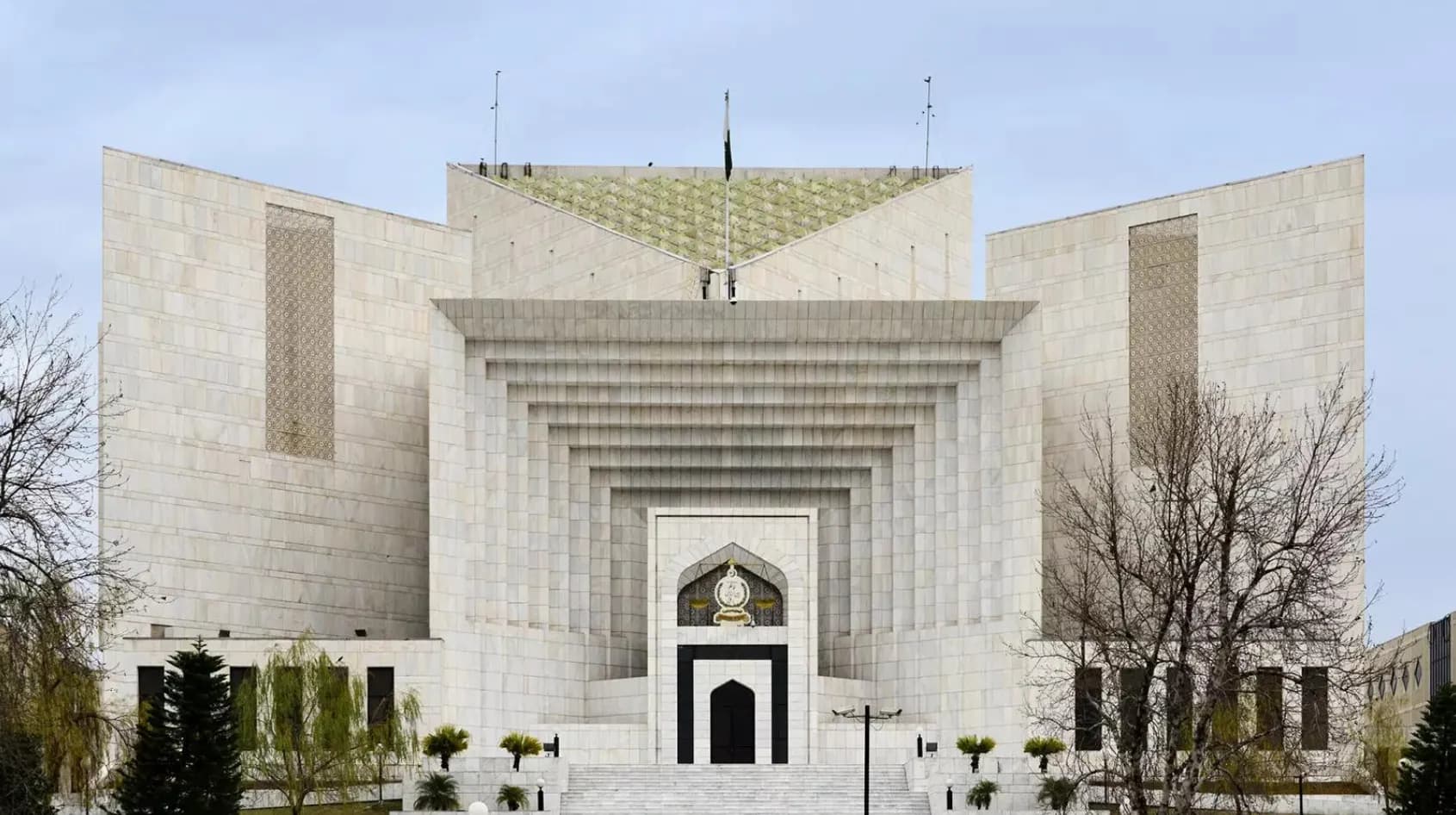
ISLAMABAD, PAKISTAN — Pakistan's Supreme Court has upheld the death sentence of Christian man Qaiser Ayub in a long-running blasphemy case while acquitting his younger brother, Amoon Ayub, because of insufficient evidence. The October 7, 2026, ruling brings sharply different outcomes for two brothers who have spent years imprisoned over allegations involving online religious content.
The case dates to 2011, when authorities received allegations that material considered blasphemous had appeared on a website associated with Qaiser. He has maintained that he closed the website in 2009 and was not responsible for material subsequently published there. The brothers were arrested in 2014 and 2015 and were both sentenced to death in December 2018. The Lahore High Court upheld their convictions in 2022.
In its latest decision, a Supreme Court bench headed by Justice Muhammad Hashim Khan Kakar dismissed Qaiser's appeal, leaving his death sentence in place. The court acquitted Amoon after determining that the evidence against him was insufficient. Although the acquittal offers an opportunity for Amoon to rebuild his life, his legal representatives have expressed concerns about the risks he may face following his release.
The case has attracted international attention because of questions surrounding the reliability of electronic evidence and the application of Pakistan's blasphemy laws. Christian legal advocacy organizations have argued that the material attributed to Qaiser was not adequately connected to him and that the evidence required closer scrutiny. United Nations human rights experts previously raised concerns about the brothers' death sentences, including questions involving due process and capital punishment for blasphemy offenses.
The Centre for Legal Aid, Assistance and Settlement, known as CLAAS-UK, has supported the brothers and their families throughout the legal proceedings. The organization welcomed Amoon's acquittal but described the ruling against Qaiser as deeply troubling. Qaiser's wife and three children have endured years of separation while he remains imprisoned, and legal advocates have indicated that they intend to pursue further available remedies.
Pakistan's blasphemy laws allow severe penalties for certain offenses involving religion, including the death penalty for insulting the Prophet Muhammad. Supporters argue that the laws protect religious beliefs and public order. Human rights organizations, however, have warned that blasphemy accusations can be misused in personal disputes and can expose defendants, particularly religious minorities, to threats and violence even before a court reaches a final decision.
Christians represent a small minority of Pakistan's population and have faced longstanding concerns involving discrimination, religious violence, and access to legal protections. Advocacy organizations say blasphemy allegations can place entire families and communities at risk, making legal representation and personal security especially important for those accused.
The contrasting outcomes for the Ayub brothers also highlight the importance of judicial review. Amoon's acquittal demonstrates that the court found the evidence insufficient to sustain his conviction, while Qaiser's continued death sentence raises questions from advocates who believe the evidence against him has not been adequately established.
For the Whole Bible Community, the case is a reminder of the challenges faced by believers in countries where religious accusations can lead to imprisonment or death. Hebrews 13:3 calls believers to remember those in prison as though imprisoned with them, emphasizing compassion and solidarity with those who suffer.
As Amoon faces the challenges of rebuilding his life after years behind bars, Qaiser remains under a death sentence. Religious freedom advocates continue calling for fair legal proceedings, protection for religious minorities, and further examination of the evidence used in his conviction. The case remains an important example of the ongoing debate over religious liberty and the application of blasphemy laws in Pakistan.
References:
claas/news/supreme-court-of-pakistan-upholds-death-sentence-for-christian-man-qaiser-ayub-and-acquits-his-brother-amoon/